AITA for not letting the previous owner’s adult children into my house after their father died?
This weekend, 2 people knocked on our door and said they were the previous owner’s children. I answered via our ring camera. They explained that their father had just passed away and that they wanted to come inside to look around and see the house where they grew up. They were emotional and said they were struggling with the loss. And that this is was the place they had the most memories of and left connected to their father.
I felt bad, but I told them no. I explained that I wasn’t comfortable letting people I don’t know into my home, and I didn’t feel safe or prepared to host strangers, regardless of the circumstances. My husband also wasn’t home so I was alone.
They didn’t take it well. One of them became visibly upset and the other said they couldn’t believe I would deny them something so small when they had “lost everything.” They lingered on the porch for a bit, clearly angry, before eventually leaving.
About an hour later, another older woman came to my door. She introduced herself as their mother and the previous owner’s widow. She asked again if she and the children could come inside, saying it would help them with closure and that it was “still their home in a way.” She said they were devastated. At that point, I felt overwhelmed and uncomfortable. I told her again that I was sorry for their loss, but that the answer was still no. She left upset and disappointed.
AITA for not letting them in?
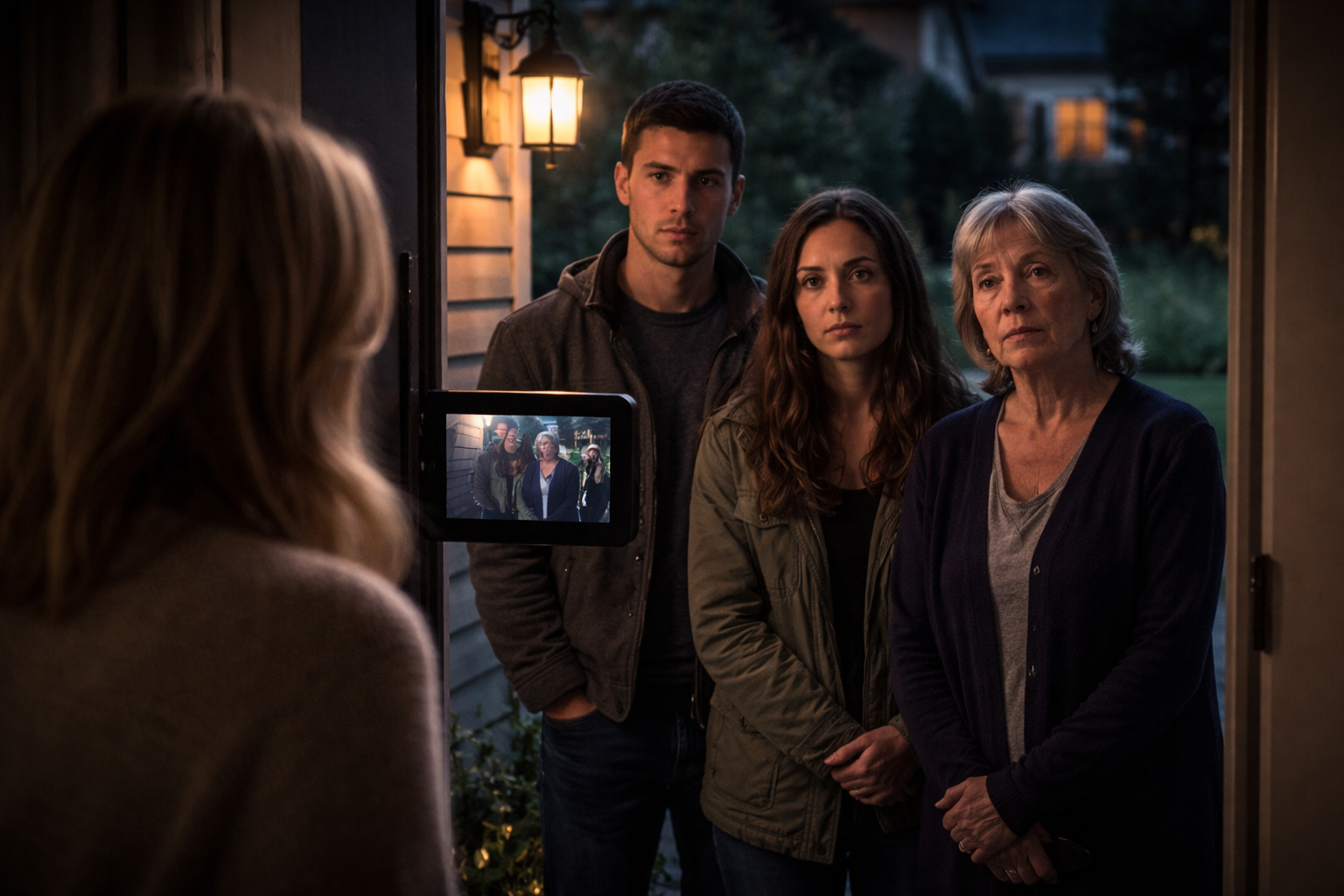
Grieving Strangers Asked to Enter Her Home—She Said No
AITA-style story where a homeowner refuses grieving strangers entry to her house after the previous owner’s death sparks heated debate.
A grieving family showed up at a woman’s door asking to see their childhood home—and her refusal sparked a tense, emotional confrontation.
Let’s break it down
The backstory and early dynamics
The homeowner was alone when two adults knocked, claiming to be the previous owner’s children. Speaking through her Ring camera, she listened as they explained their father had just died. They said walking through the house would help them process their loss—the place held their strongest memories of him.
She sympathized, but drew a firm boundary: she didn’t feel safe letting strangers inside her home, especially while alone. She said no, politely.
The moment things shifted
The response didn’t land well. One sibling became visibly upset; the other accused her of denying them “something so small” after they had “lost everything.” They lingered on the porch, angry and hurt, before leaving.
The final confrontation
About an hour later, an older woman arrived—introducing herself as their mother and the previous owner’s widow. She tried again, saying it would bring closure and that the house was “still their home in a way.”
Already overwhelmed, the homeowner refused again. She expressed sympathy, but held the line. The widow left disappointed.
The fallout
Now the homeowner is left questioning herself. She understands grief. But she also felt unsafe and pressured in her own space. Was she heartless—or just cautious?
What Reddit Thinks
Verdict vibes: Mostly NTA, with some mixed feelings.
- “NTA. Your home isn’t a public memorial. Grief doesn’t override consent or safety.”
- “Sad situation, but you were alone and uncomfortable. That matters.”
- “Soft YTA/NAH. I get why they asked, but they crossed a line by pushing.”
A Final Thought
Grief asks a lot of people—but where should compassion stop and personal boundaries begin? If you were alone at home, would you have opened the door?